The Creation — What Most People Get Wrong
Think you know the creation story? Genesis includes details most people skip — from the order of events to what 'good' actually meant. Hear the full story.
Posted by
 HearBibleStories Editorial Team
Related reading
Noah's Ark — It Wasn't Two of Every Animal
Two of every animal? Not exactly. The Bible specifies different numbers for different animals — and the ark itself is described in surprising detail.
Crossing the Red Sea — It Took All Night, Not Minutes
The crossing took all night. A pillar of fire stood between the armies. And 'Red Sea' may be a mistranslation. The real account is more dramatic than you think.
Jonah — Most People Only Know Half the Story
Jonah wasn't swallowed by a whale. And getting spit out wasn't the end — the real story gets stranger from there. Most people have only heard half of it.
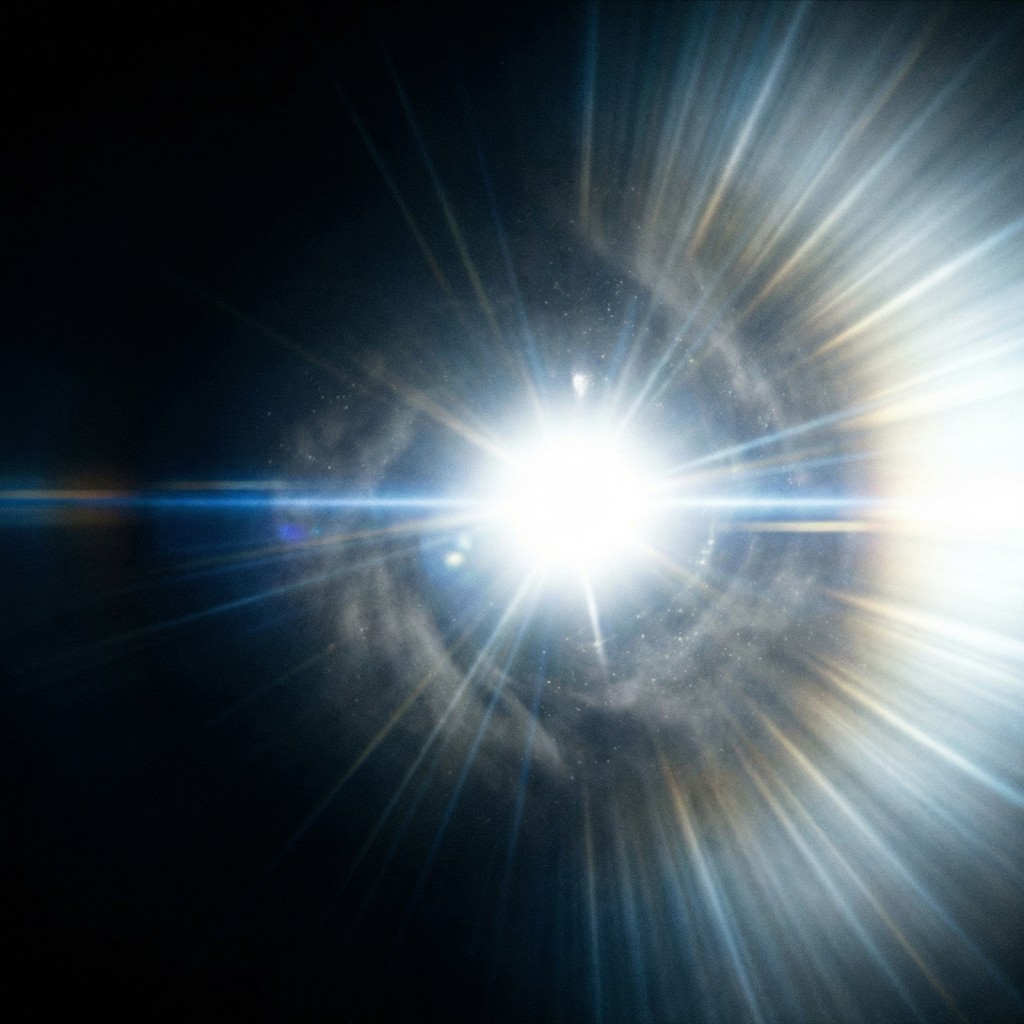
Most people think of the creation story as a simple sequence: light, sky, land, animals, humans, rest. But Genesis is far more specific — and far stranger — than the version most of us carry in our heads. The order of events, the meaning of key words, and the structure of the narrative all contain details that get lost in the retelling.
Water came before everything
Before God speaks a single word, the earth already exists — formless, empty, and covered in water. Darkness covers the deep. The Spirit of God hovers over the surface. Creation doesn't begin from nothing in the way most people imagine it. It begins from chaos and water.
Light existed before the sun
God creates light on the first day. But the sun, moon, and stars don't appear until day four. Genesis makes no attempt to explain where that initial light came from. It simply states it. This has puzzled readers for thousands of years — and the text offers no resolution.
Vegetation came before sunlight
Plants and trees appear on day three. The sun appears on day four. This sequence is explicitly laid out in the text. Whatever you make of it theologically, the order is deliberate and unmistakable.
Humans were the last thing created
God creates humanity at the very end of day six — after every animal, fish, and bird. The text says God made humans in His image, male and female. The details of how Adam and Eve were formed appear later in Genesis 2, which many scholars see as a closer look at what happened on day six.
'Good' didn't mean perfect
God calls each stage of creation 'good' — and the whole thing 'very good.' But the Hebrew word 'tov' doesn't mean flawless or complete in the way English speakers often assume. It means functional, fit for purpose, operating as intended. That distinction changes how you read the entire chapter.
The creation story has more layers than most people realize. Hear the full narrated episode — with every detail the Bible actually includes.
Frequently Asked Questions
What did God create first in the Bible?
According to Genesis, God first created light — before the sun, moon, or stars existed. The sun wasn't created until day four.
Were humans created first or last?
Humans were the last thing God created, at the end of day six, after all animals, birds, and sea creatures.
What does 'good' mean in Genesis 1?
The Hebrew word 'tov,' translated as 'good,' means functional or fit for purpose — not necessarily perfect or flawless in the modern English sense.
Hear the Bible come to life
Listen to hundreds of Bible stories with HD narration on the HearBibleStories app.


Or browse the full story catalogue on the web.
Related reading
Noah's Ark — It Wasn't Two of Every Animal
Two of every animal? Not exactly. The Bible specifies different numbers for different animals — and the ark itself is described in surprising detail.
Crossing the Red Sea — It Took All Night, Not Minutes
The crossing took all night. A pillar of fire stood between the armies. And 'Red Sea' may be a mistranslation. The real account is more dramatic than you think.
Jonah — Most People Only Know Half the Story
Jonah wasn't swallowed by a whale. And getting spit out wasn't the end — the real story gets stranger from there. Most people have only heard half of it.
The Ten Plagues — Details That Change How You Read the Story
Egyptian magicians replicated the first plagues. Pharaoh's heart was hardened — but sometimes he hardened it himself. The real plague story is more complex than you think.