The Prodigal Son — The Older Brother Is the Real Story
Everyone remembers the son who left. Almost nobody talks about the son who stayed — and his reaction is the real point of the parable.
Posted by
 HearBibleStories Editorial Team
Related reading
The Real Story of the Prodigal Son — What Most People Miss
Everyone remembers the father running. But the older brother is the real twist. Discover what Jesus was really saying — then listen on HearBibleStories.
The Resurrection — The Details That Differ Between the Gospels
The resurrection accounts differ in surprising ways — who arrived first, what they saw, and how they reacted. The Bible's version is more complex than you think.
The Crucifixion — What the Bible Actually Describes
The crucifixion account includes details most people have never noticed — from a solar event to a torn curtain to the identity of the man who carried the cross.
The Prodigal Son is one of the most famous parables in the Bible. A young man wastes his inheritance, hits bottom, comes home, and his father welcomes him back with a celebration. Most people stop there. But the parable doesn't. There's a second son — and his reaction is where the real tension lies.
The younger son's request was shocking
Asking for your inheritance while your father is still alive was essentially saying 'I wish you were dead.' In first-century Jewish culture, this would have been deeply offensive. The father grants the request anyway, without argument. The text gives no indication that he tried to stop his son.
He didn't just lose the money — he fed pigs
The younger son ended up feeding pigs — an animal considered unclean under Jewish law. For the original audience, this wasn't just poverty. It was the lowest possible point for a Jewish person. He was so hungry he wanted to eat the pig food, and nobody gave him anything.
The father ran
When the son returned, his father saw him from a distance and ran to meet him. In that culture, a dignified older man did not run. It was considered shameful. The father abandoned his dignity to reach his son before the son could even finish his rehearsed apology.
The older brother refused to go inside
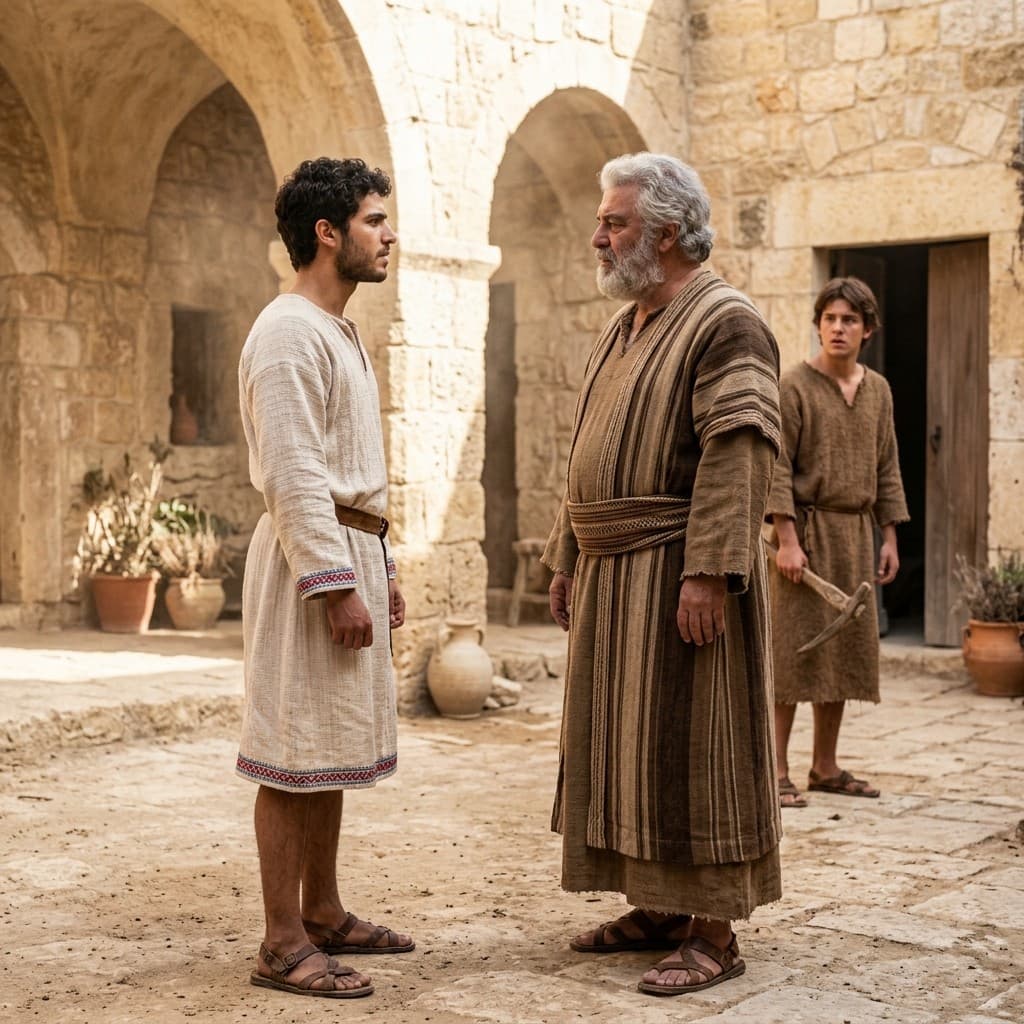
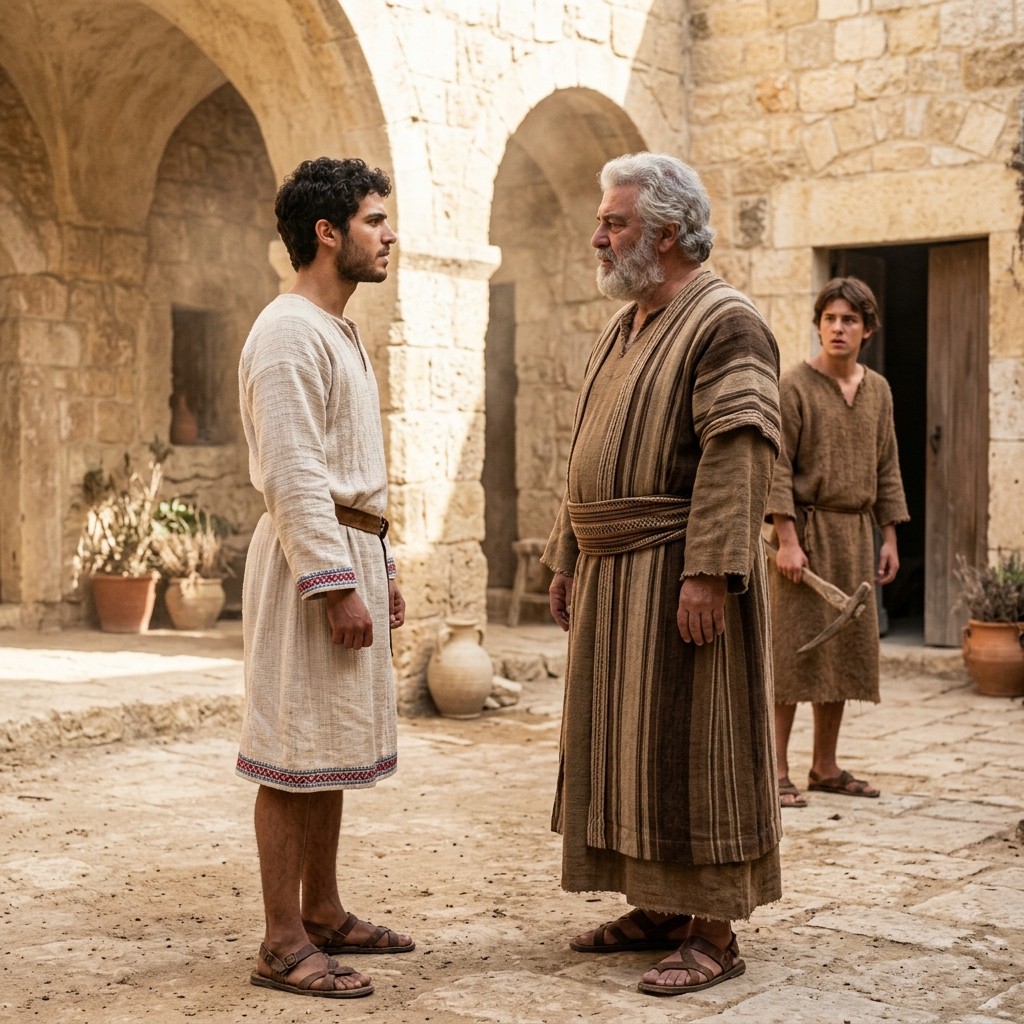
The older son was in the field when the celebration started. When he heard music and dancing, he asked a servant what was happening. He was told his brother had returned and his father was throwing a feast. The older son was furious and refused to go in. His father came outside to plead with him.
The parable ends without resolution
The older son accuses his father of never giving him a celebration despite years of faithful work. The father responds. But the parable ends there — we never learn whether the older son went inside. Like the book of Jonah, the story ends with a choice the listener has to make.
The Prodigal Son isn't just about forgiveness. It's about resentment, dignity, and an unfinished ending. Hear the full story.
Frequently Asked Questions
What is the point of the Prodigal Son parable?
While commonly understood as a story about forgiveness, the parable's tension centers on the older brother — the faithful son who resents the celebration. His unresolved anger is the real question Jesus poses.
Why did the father run to meet the prodigal son?
Running was considered undignified for an older man in first-century culture. The father abandoned social propriety to reach his son before the son could even finish his apology.
How does the Prodigal Son parable end?
It ends without resolution. The older brother refuses to join the celebration, the father pleads with him, but the parable never reveals whether the older son relented.
Hear the Bible come to life
Listen to hundreds of Bible stories with HD narration on the HearBibleStories app.


Or browse the full story catalogue on the web.
Related reading
The Real Story of the Prodigal Son — What Most People Miss
Everyone remembers the father running. But the older brother is the real twist. Discover what Jesus was really saying — then listen on HearBibleStories.
The Resurrection — The Details That Differ Between the Gospels
The resurrection accounts differ in surprising ways — who arrived first, what they saw, and how they reacted. The Bible's version is more complex than you think.
The Crucifixion — What the Bible Actually Describes
The crucifixion account includes details most people have never noticed — from a solar event to a torn curtain to the identity of the man who carried the cross.
Jairus's Daughter: The Bible Story of the Girl Jesus Raised
Who Jairus was, why Jesus stopped for the bleeding woman on the way, and what 'Talitha koum' means — Mark 5 explained. Listen to the story on HearBibleStories.