The Birth of Jesus — The Details That Don't Match the Nativity Scene
No innkeeper. Probably no stable. And the wise men weren't there that night. The real nativity story from the Bible has details that may surprise you.
Posted by
 HearBibleStories Editorial Team
Related reading
The Prodigal Son — The Older Brother Is the Real Story
Everyone remembers the son who left. Almost nobody talks about the son who stayed — and his reaction is the real point of the parable.
The Resurrection — The Details That Differ Between the Gospels
The resurrection accounts differ in surprising ways — who arrived first, what they saw, and how they reacted. The Bible's version is more complex than you think.
The Crucifixion — What the Bible Actually Describes
The crucifixion account includes details most people have never noticed — from a solar event to a torn curtain to the identity of the man who carried the cross.
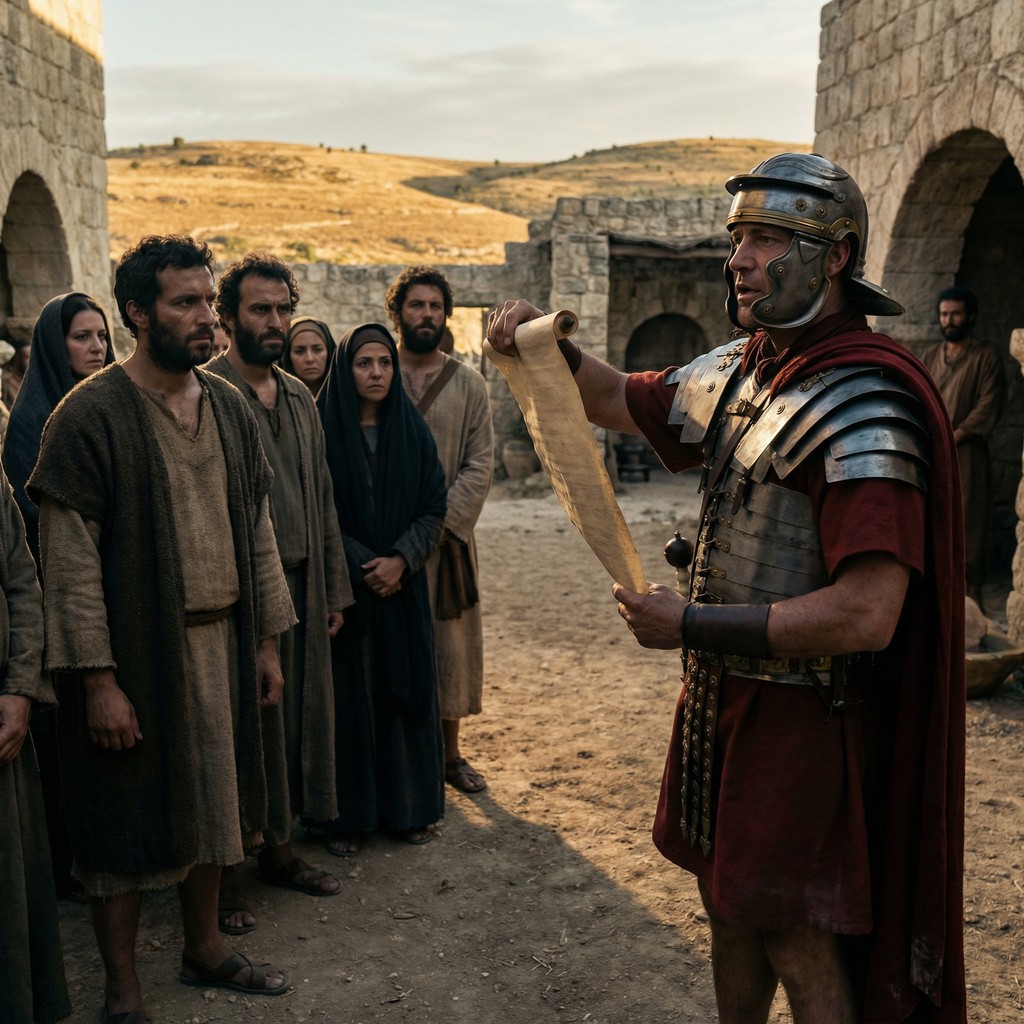
The nativity scene as most people know it — a stable, an innkeeper turning them away, three wise men gathered around the manger — is a combination of tradition, art, and assumption. The actual biblical account in Luke and Matthew is simpler, stranger, and in several key ways, completely different.
There's no innkeeper in the Bible
Luke says there was no room in the 'kataluma' — a Greek word that means guest room, not inn. Most scholars now believe Mary and Joseph were staying with relatives in Bethlehem, and the family's guest room was already full. The idea of a commercial innkeeper turning them away comes from later tradition, not the text.
The 'stable' probably wasn't a separate building
First-century homes in Bethlehem often had a lower level where animals were kept at night. The manger — a feeding trough — was in this lower area of the house, not in a detached barn. The setting was humble, but it was likely inside someone's home, not outside it.
The wise men weren't there that night
Matthew's account places the Magi's visit much later — when Jesus was a 'child' in a 'house,' not an infant in a manger. Herod's order to kill boys two years old and under suggests the Magi's journey took months, possibly years. The shepherds visited the night of the birth. The wise men did not.
The Bible never says there were three wise men
Matthew mentions three gifts — gold, frankincense, and myrrh — but never states how many Magi came. The number three is an assumption based on the gifts. Some early traditions claimed there were twelve.
Shepherds were the first witnesses
In first-century Judea, shepherds were low-status workers — often considered ritually unclean. The announcement of the birth went to them first, not to priests, scholars, or officials. Luke emphasizes this. The significance is in who was told, not just what they were told.
The real nativity story has more nuance and surprise than any holiday card. Hear the full account — nothing added, nothing assumed.
Frequently Asked Questions
Were there three wise men at Jesus' birth?
The Bible never says how many wise men visited. Three gifts are mentioned — gold, frankincense, and myrrh — but the number of Magi is not stated.
Was Jesus born in a stable?
The Bible doesn't mention a stable. First-century Bethlehem homes often had a lower level for animals. The manger was likely in the lower part of a family home, not a separate building.
Was there an innkeeper in the nativity story?
No. The Greek word used in Luke means 'guest room,' not 'inn.' Most scholars believe the family guest room was full, not that a commercial innkeeper turned them away.
Hear the Bible come to life
Listen to hundreds of Bible stories with HD narration on the HearBibleStories app.


Or browse the full story catalogue on the web.
Related reading
The Prodigal Son — The Older Brother Is the Real Story
Everyone remembers the son who left. Almost nobody talks about the son who stayed — and his reaction is the real point of the parable.
The Resurrection — The Details That Differ Between the Gospels
The resurrection accounts differ in surprising ways — who arrived first, what they saw, and how they reacted. The Bible's version is more complex than you think.
The Crucifixion — What the Bible Actually Describes
The crucifixion account includes details most people have never noticed — from a solar event to a torn curtain to the identity of the man who carried the cross.
Jairus's Daughter: The Bible Story of the Girl Jesus Raised
Who Jairus was, why Jesus stopped for the bleeding woman on the way, and what 'Talitha koum' means — Mark 5 explained. Listen to the story on HearBibleStories.